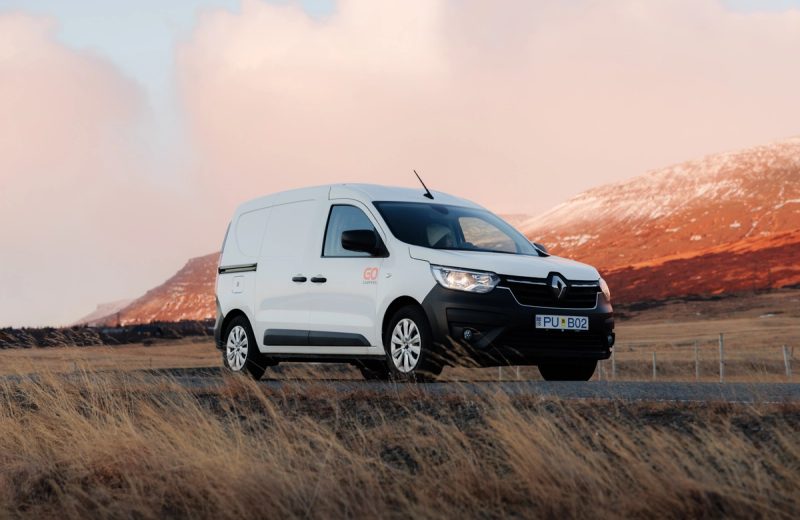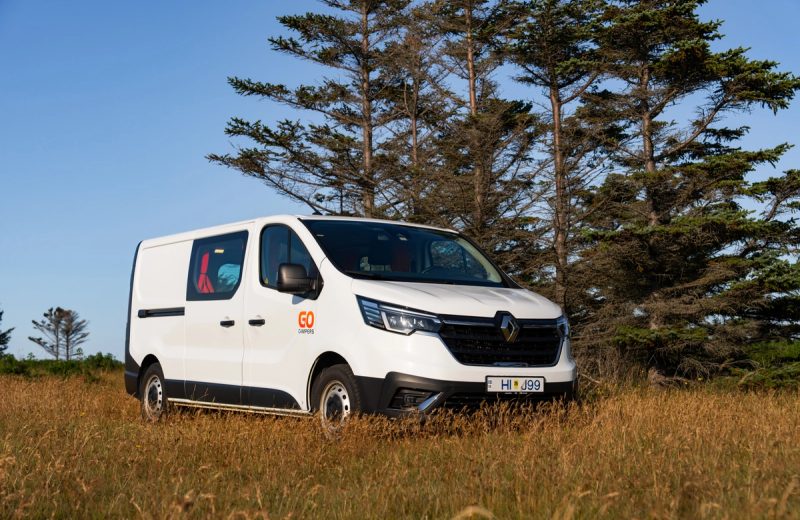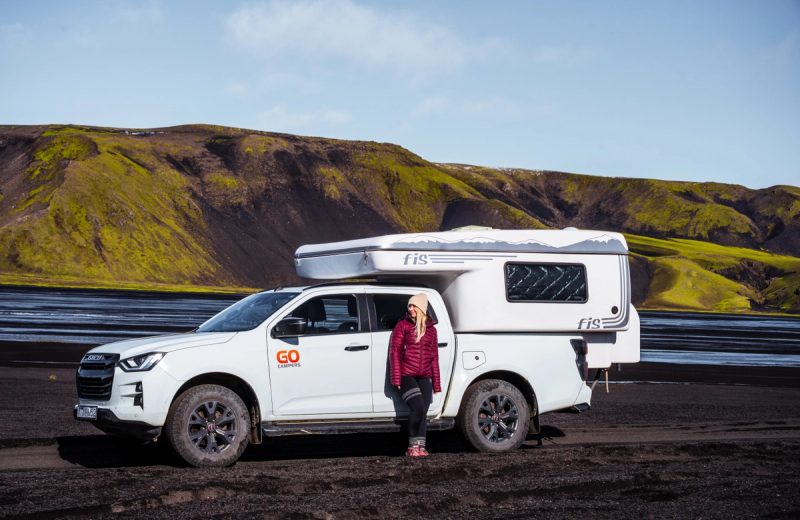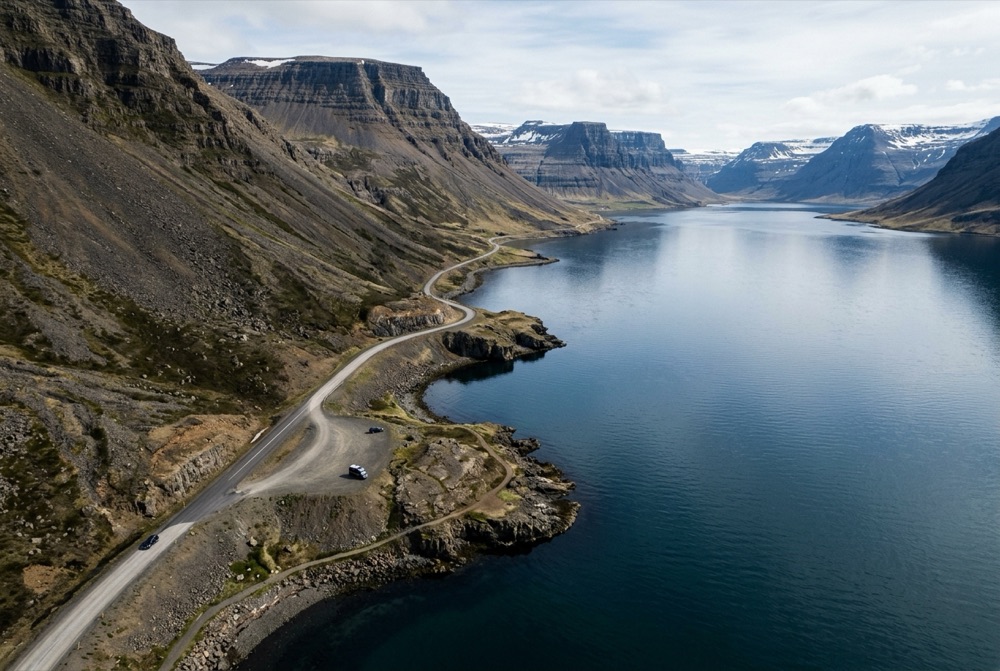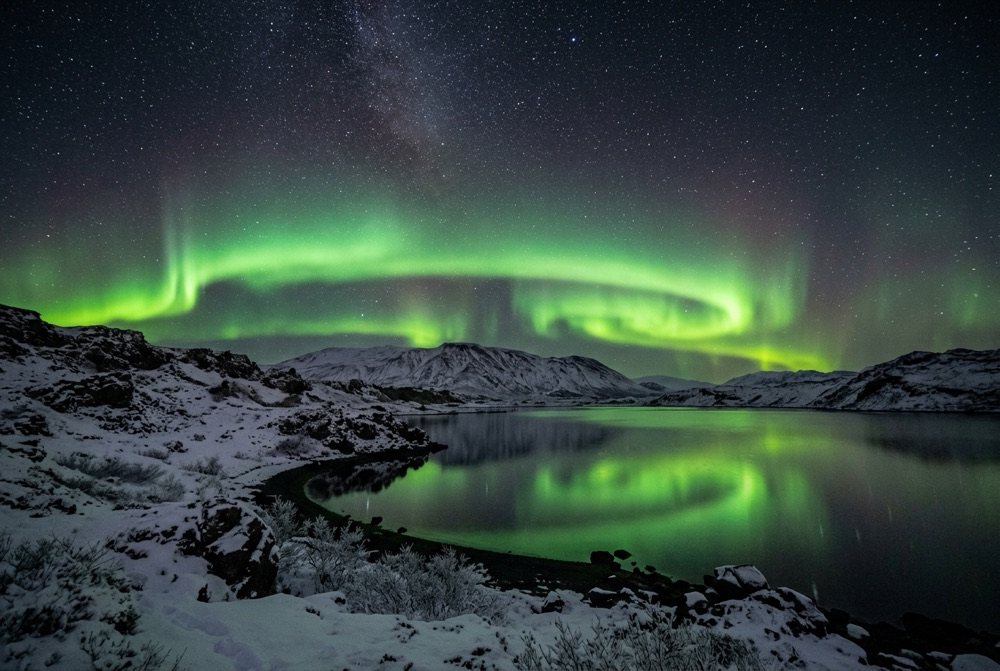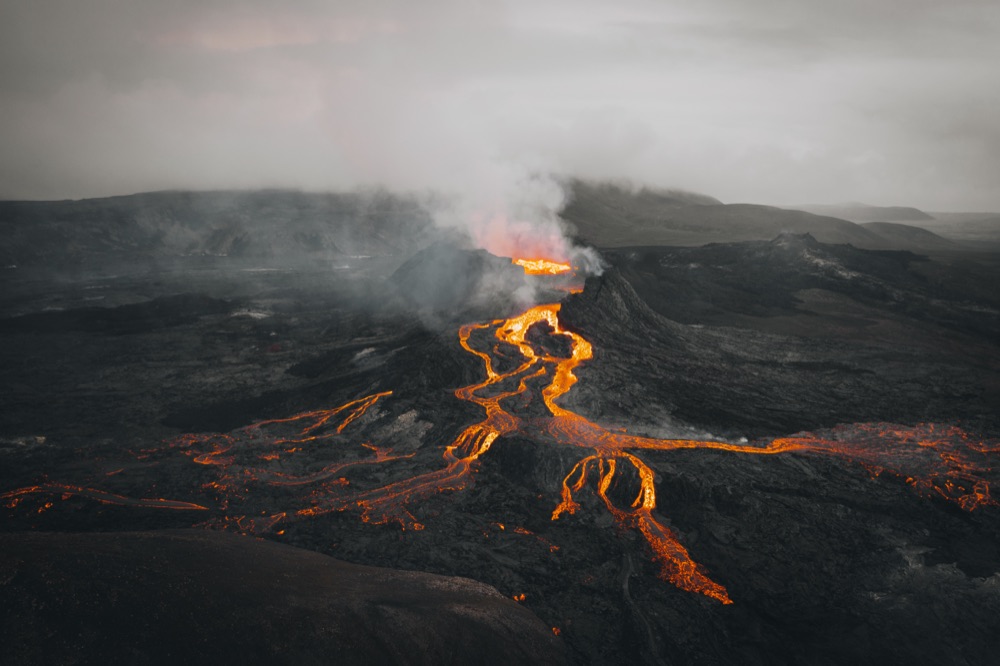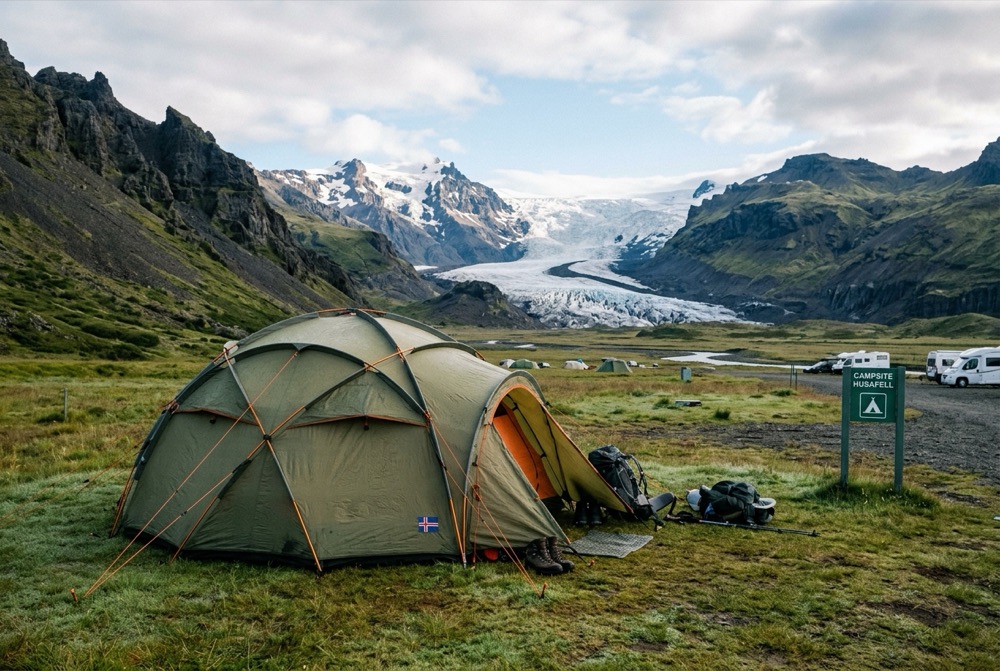
Iceland's sub-arctic landscapes—from emerald-green Eldhraun lava moss to geothermal hot springs and black sand beaches—appear rugged and indestructible, yet its short summer growing season makes the ecosystem extraordinarily fragile. As visitors, following Iceland's environmental laws and Leave No Trace principles ensures these landscapes remain unspoiled. Here is how to camp sustainably and legally in Iceland.
1. Camp Only at Designated Campsites
Under the 2015 revision to the Icelandic Nature Conservation Act (administered by the Environment Agency of Iceland, ust.is), overnight camping in any campervan, rooftop tent, caravan, or passenger car is strictly restricted to registered campsites (unless you hold written permission from a private landowner).
- Why the law exists: Roadside pull-outs and church parking lots lack sanitation, greywater disposal, and hardened gravel pads, leading to soil erosion and human waste near water sources.
- How to find campsites: Iceland has more than 170 registered campsites across every region. Explore our Camping in Iceland Guide and Campsite Directory to find facilities along your route.
2. Never Drive or Walk on Sub-Arctic Lava Moss
The thick green wooly fringe moss (Racomitrium lanuginosum) covering Iceland's lava fields grows less than one centimeter per year.
- Stay on marked trails and boardwalks: Footprints and tire tracks compact the underlying volcanic ash and tear the moss mat, leaving scars that take 50 to 100 years to heal.
- Never use moss as tent bedding or pull rocks from moss beds: When pitching a tent in windy conditions, use official turf or gravel tent areas and bring heavy-duty aluminum stakes.
- Zero off-road driving: Driving off marked roads onto beaches, lava fields, or highland tracks is a serious criminal offense in Iceland carrying heavy police fines.
3. Eliminate Single-Use Plastic (Drink From the Cold Tap)
One of the easiest ways to reduce waste in Iceland is to never buy bottled water:
- Glacial Tap Water: Cold tap water across 100% of Iceland—including campsite taps, gas station restrooms, and Reykjavík hotels—is pure, untreated spring water filtered through lava rock.
- Cold vs. Hot Tap: Always run the cold tap for a few seconds before filling your reusable bottle. Hot tap water in Iceland comes directly from geothermal boreholes and contains natural trace sulfur.
- Reusable Cookware: Pack a durable insulated thermos, reusable food containers, and cloth grocery bags when shopping at Bónus or Krónan.
4. Proper Waste & Campervan Greywater Disposal
- Pack It In, Pack It Out: High winds easily blow lightweight food wrappers out of open car doors or overflowing trailhead bins. Keep a dedicated trash bag inside your vehicle until you reach a town or campsite recycling station.
- Cassette Toilets & Greywater: If renting a self-contained campervan or motorhome, empty greywater and blackwater tanks only at official dump stations (listed on ust.is and at major campsites and Olís/N1 service stations).
- Geothermal Hot Pot Etiquette: Before entering any natural hot spring or municipal pool, shower thoroughly without a swimsuit using soap where facilities exist, and never use soap or shampoo inside natural rivers or hot pots.
5. Respect Nesting Seabirds & Grazing Livestock
- Arctic Terns & Puffins (May – August): Arctic terns (Kría) nest directly on coastal gravel and fiercely defend their chicks from anyone who wanders off marked paths. At puffin cliffs like Látrabjarg, Dyrhólaey, and Borgarfjörður Eystri, stay behind ropes so burrows do not collapse.
- Free-Roaming Sheep: From May to September, hundreds of thousands of sheep graze freely beside unfenced roads, usually in family trios (one ewe and two lambs). If a lamb is on the opposite side of the road from its mother, slow right down—it will almost certainly dart across in front of your car.