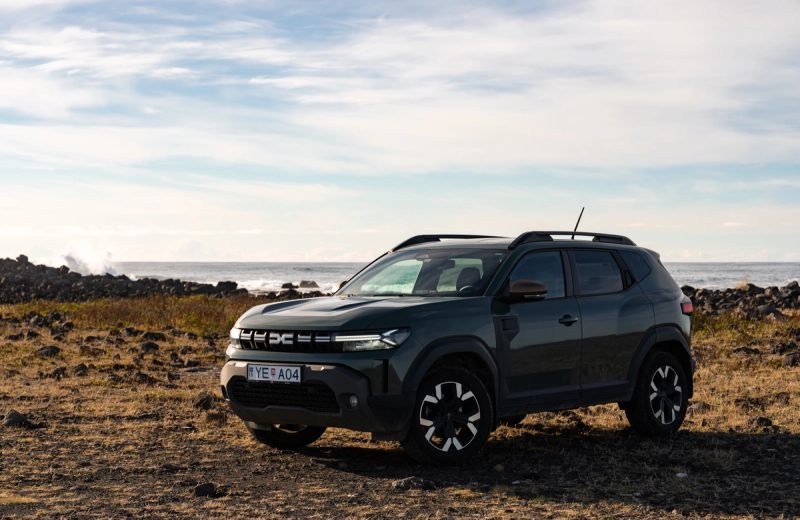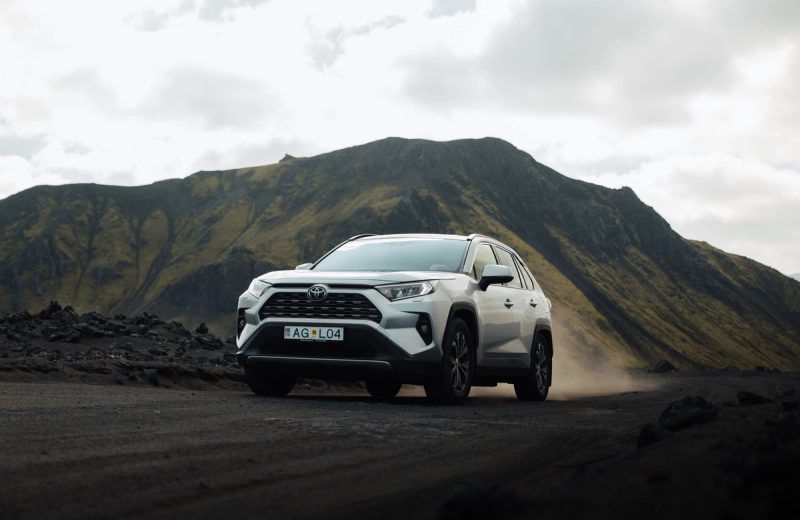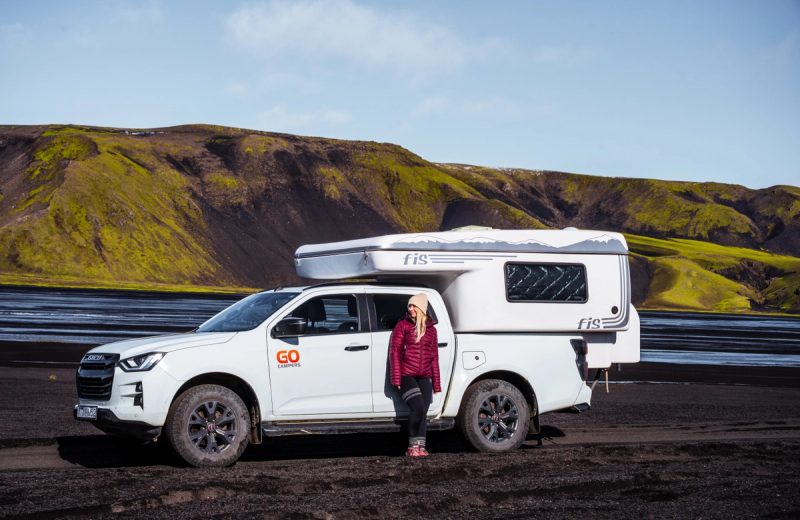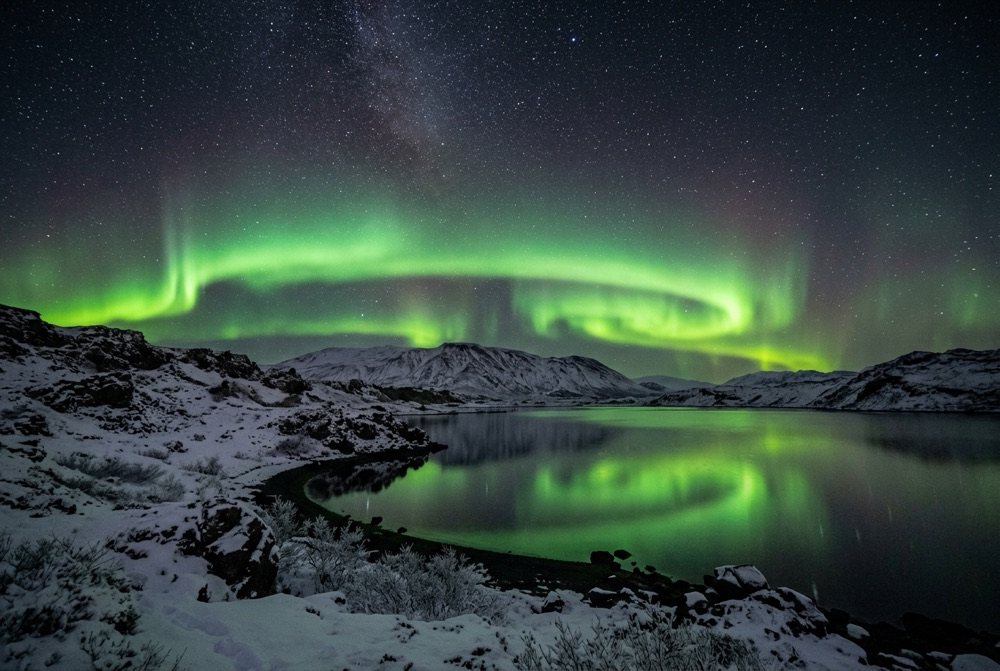
If you are planning a trip to Iceland between late summer and spring, witnessing the Northern Lights (Aurora Borealis) is likely at the top of your bucket list. Because a campervan or rental car puts you right under rural dark skies—far away from Reykjavík's streetlamps—a road trip is one of the most rewarding ways to experience an aurora display. Here is everything you need to know about timing, cloud forecasts, dark-sky campsites, and staying warm.
1. When Can You See the Northern Lights in Iceland?
The Aurora Borealis occurs high in Earth's magnetosphere year-round, but you can only see it when the night sky is completely dark:
- Late August to October (Autumn Shoulder Season): Our favorite window for aurora campervan trips. You get 8 to 14 hours of daylight for sightseeing, milder temperatures (0°C to 10°C), and dark night skies starting between 21:30 and 22:30.
- November to February (Deep Winter): Nights last 16 to 19.5 hours, giving you the longest viewing window each evening, though you must prepare for snow, ice, and 4x4 winter driving conditions.
- March to Mid-April (Spring Equinox): Geomagnetic storms statistically peak around the spring and autumn equinoxes, and long daytime driving hours return before the Midnight Sun takes over in late April.
- Late April to Mid-August: The sky never gets dark enough in Iceland to see the Northern Lights during summer.
2. How to Read the Icelandic Aurora Forecast (Vedur.is)
Don't rely solely on generic KP-index apps. Instead, use the official Icelandic Met Office Aurora Forecast (en.vedur.is), which combines cloud cover layers with a 0–9 activity scale:
- Cloud Cover Comes First: Even a KP-6 geomagnetic storm is invisible through thick low clouds. Look for clear gaps in low, mid, and high clouds.
- Remember the Map Color Rule: On the
vedur.iscloud map, white areas represent clear skies, while green and purple shading indicates cloud cover. - Why Mobility Wins: With a heated campervan or rental car, you can check the cloud map at 17:00 and drive 45 minutes into a clear micro-climate behind a mountain range.
3. Best Dark-Sky Campsites & Viewing Locations
Any rural campsite outside Reykjavík and Akureyri offers near-zero light pollution. Top-rated spots include:
- Þingvellir National Park Campsite: Just 45 minutes from Reykjavík with wide open horizons over Lake Þingvallavatn.
- Skaftafell Campground (Vatnajökull National Park): Open year-round beneath Europe's largest glacier, often sheltered from northern clouds by the ice cap.
- Kirkjufell / Grundarfjörður (Snæfellsnes): Iconic mountain silhouettes reflecting in coastal tidal lagoons.
- Ásbyrgi & Lake Mývatn (North Iceland): Consistently drier inland weather patterns when coastal South Iceland is overcast.
For a complete list of campsites and guided Super Jeep aurora tours, visit our Iceland Tours & Campsite Recommendations.
4. Staying Warm & Safe While Aurora Hunting
- Book a Campervan with an Autonomous Night Heater: If camping between September and April, ensure your campervan has a dedicated Webasto or Truma diesel heater powered by a leisure battery. Review our Camping & Gear Guide for sleeping bag comfort ratings (0°C to -5°C minimum).
- Dress for Standing Still: Standing outside at 23:30 waiting for solar substorms feels 10°C colder than active hiking. Wear merino base layers, fleece, a windproof down parka, insulated boots, and touchscreen liner gloves inside heavy mittens.
- Park Safely Off the Road: Never stop on the paved shoulder of Route 1 and turn your lights off—passing drivers cannot see you. Always pull completely into a designated parking bay, rest area, or campsite.
5. Quick Camera & Smartphone Settings for the Aurora
Modern smartphones (Night Mode with a 3–10 second exposure on a compact tripod) capture vivid aurora colors easily. If shooting with a mirrorless or DSLR camera:
- Switch your lens to Manual Focus (MF) and focus on a bright star or distant horizon light using live-view zoom.
- Set aperture as wide as possible (f/1.4 to f/2.8).
- Start with ISO 1600 to 3200 and a shutter speed between 2 and 8 seconds (use shorter 2–4 second exposures when the lights are dancing rapidly so the curtains stay sharp).
- Bring a spare camera battery in an inside pocket and a headlamp with a red-light mode so you don't blind fellow photographers.